The Elf is HeroQuest’s adaptable fighter-mage: durable enough to join the front line, skilled enough to use nearly any equipment, and magical enough to change a quest with one well-timed spell.
[ CORE HERO 03 ]
The Elf
A balanced warrior and spellcaster with six Body Points, four Mind Points, a Shortsword, and access to one spell group or three Mage of the Mirror Elf Spells.
- Role
- Fighter and support caster
- Body Points
- 6
- Mind Points
- 4
- Starting Weapon
- Shortsword
What Makes the Elf Different?
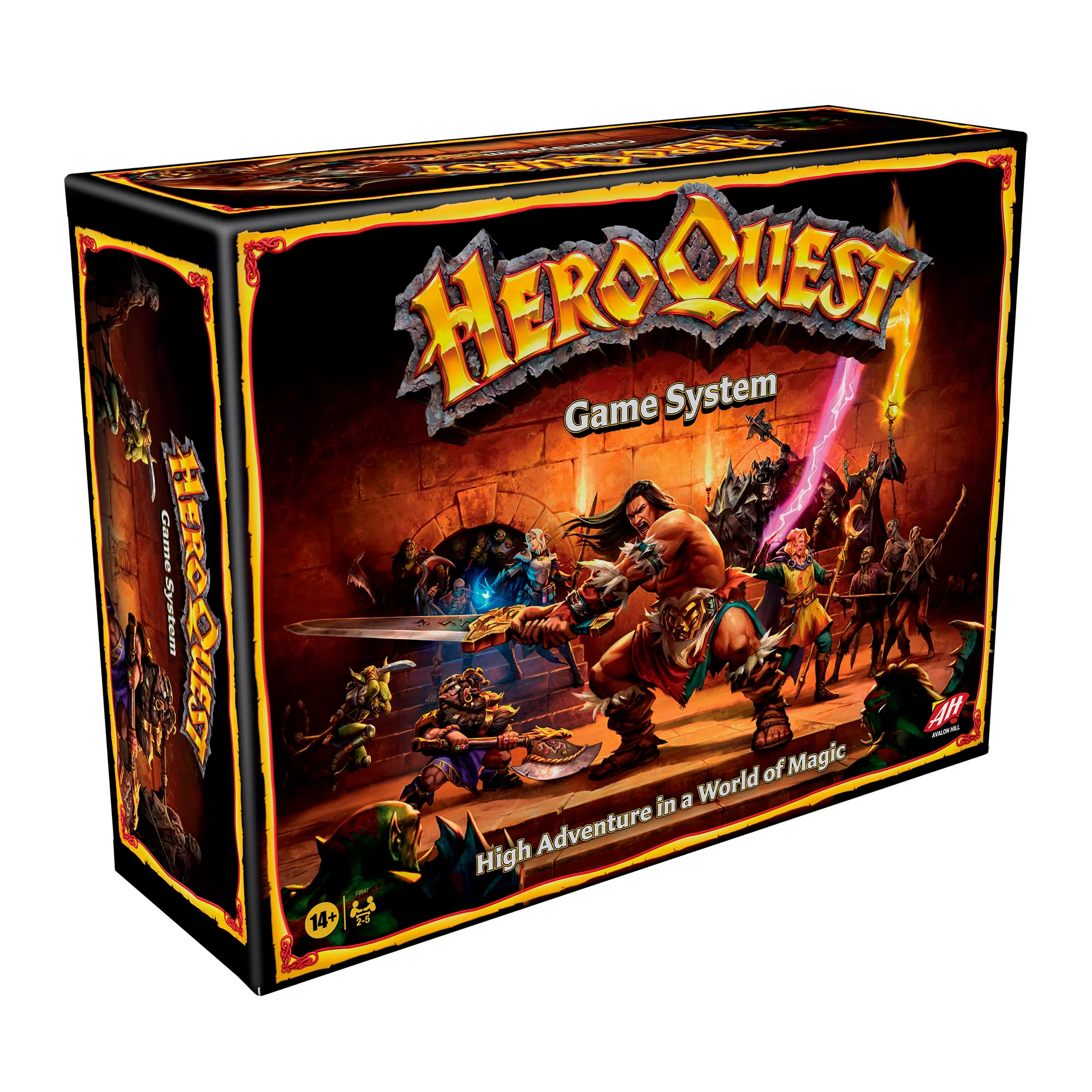
The Elf is one of the four Heroes included with the HeroQuest Game System. The class sits between the Barbarian and Wizard, pairing respectable Body Points and unrestricted equipment access with a smaller spell selection.
The Elf begins with only two Attack Dice from the Shortsword, yet can grow into a three-die melee fighter, ranged attacker, armoured support Hero, or mobile caster. Spell choice can change that role before every quest.
This flexibility is the Elf’s greatest strength. It can create indecision too. A useful Elf build gives the Hero a clear job for the current party rather than buying every weapon and holding every spell for a perfect moment that never arrives.
Elf Hero Profile
- Hero Type
- Core Hero
- Primary Source
- HeroQuest Game System
- Alternate Sources
- HeroQuest First Light; The Mage of the Mirror
- Movement
- 2 red dice
- Starting Attack
- 2 combat dice
- Starting Defend
- 2 combat dice
- Starting Body Points
- 6
- Starting Mind Points
- 4
- Starting Weapon
- Shortsword
- Starting Armour
- None
- Core Magic
- 1 elemental spell group
- Expanded Magic
- 3 of 8 Elf Spells
- Primary Role
- Flexible fighter and support caster
The Elf at a Glance
Strengths
- Balanced Body and Mind Point profile.
- Can cast spells and wear normal armour.
- Can use melee, diagonal, and ranged weapon builds.
- Changes roles through spell selection before each quest.
- Gains a distinct eight-card spell pool in The Mage of the Mirror.
Limitations
- Starts with only a two-die attack and two-die defence.
- Receives fewer spells than the Wizard.
- Can spend gold inefficiently by pursuing too many equipment paths.
- Six Body Points do not support reckless front-line play.
- Several Elf Spells require careful timing or party positioning.
Understanding the Elf Profile
[ BODY ]
Six Body Points
The Elf can survive close combat better than the Wizard, Bard, or Warlock. Six points still disappear quickly when several monsters can attack the same square.
[ MIND ]
Four Mind Points
The Elf has solid resistance against many mental threats and enough magical aptitude to support the party without becoming a full Wizard replacement.
[ COMBAT ]
Two Attack, Two Defend
The starting profile is modest. A weapon and one or two defensive purchases turn the Elf into a dependable mid-line combatant.
A Hybrid Hero Needs a Defined Job
The Elf can fight, cast, search, carry objectives, and support another Hero. It cannot do every job on the same turn. Decide whether the current quest needs control, healing, movement, damage, or another front-line body, then select spells and equipment around that need.
The best Elf turns often combine modest combat with a high-value spell at the right moment. The class contributes steadily between major spell casts rather than waiting at the back of the party.
Starting Loadout and First Priorities
The Shortsword
The Elf begins with a Shortsword and rolls two combat dice against an adjacent monster. It is enough for Goblins and other weak targets, but a stronger weapon is one of the Elf’s most useful early purchases.
No Starting Armour
The Elf begins with two Defend Dice. A Shield and Helmet create a reliable base that lets the Hero move closer to the front without spending every healing spell on personal recovery.
Choosing an Elemental Spell Group
At the start of a quest, the Wizard chooses one elemental spell group first. The Elf then chooses one of the three remaining groups, and the Wizard receives the final two groups. The selection can change from quest to quest.
[ AIR ]
Mobility and Control
Swift Wind accelerates a Hero, Tempest removes one monster turn, and Genie opens a door or delivers a strong magical attack.
Choose Air when the party needs movement, a safe door reveal, or a reliable answer to one dangerous target.
[ FIRE ]
Damage and Aggression
Fire of Wrath and Ball of Flame deal direct damage. Courage strengthens a Hero’s attack while monsters remain visible.
Choose Fire for named enemies, multi-Body-Point monsters, or a party built around a powerful melee attacker.
[ WATER ]
Healing and Positioning
Water of Healing restores Body Points, Sleep disables a valid monster, and Veil of Mist lets a Hero move through monsters.
Choose Water for recovery, rescue turns, crowded corridors, and flexible support.
[ EARTH ]
Defence and Rescue
Rock Skin improves defence, Heal Body restores Body Points, and Pass Through Rock crosses walls at significant risk.
Choose Earth for a cautious party, a fragile group, or a map where unusual movement can solve an objective.
How to Play the Elf
The Elf works best one step behind the party’s toughest Hero. From that position, the Elf can attack, cast into the room, protect a retreat, or move past the front line when a spell creates an opening.
- Review the chosen spells. Decide which spell solves an emergency, which supports the first major fight, and which can be used freely when a good opportunity appears.
- Stay near the front without leading every reveal. Let a tougher Hero absorb the first attacks unless the Elf’s spell or movement plan requires another position.
- Attack ordinary targets with equipment. Save limited spells for monsters, hazards, or objectives that normal attacks cannot handle efficiently.
- Cast before the moment passes. A useful spell now is often better than a perfect spell carried unused to the quest exit.
- End within support range. Keep a route to healing, retreat, and another Hero. Six Body Points are a buffer, not a front-line guarantee.
Use Magic to Change Action Economy
Tempest, Sleep, Slow, Deep Sleep, Time Stop, and similar effects change how many useful turns each side receives. Removing one dangerous monster turn or granting a Hero another turn can matter more than dealing one point of damage.
Keep a Normal Attack Ready
The Elf should not rely on spells for every encounter. A three-die weapon lets the Hero contribute through a long quest after the spell cards have been discarded.
Read Line of Sight Before Moving
Many spells require a visible target. Open doors, furniture, monsters, and other figures can change the available line. Choose the final square with the next spell or attack in mind.
Elf Equipment Paths
The Elf can follow nearly any normal weapon and armour path. A focused build is more efficient than buying a melee weapon, ranged weapon, Battle Axe, and every armour option before another Hero receives basic equipment.
[ BALANCED ]
Longsword and Shield
A three-die attack, diagonal reach, and improved defence fit the Elf’s mid-line role. This is a strong all-purpose campaign build.
[ RANGED ]
Crossbow and One-Handed Backup
The Crossbow lets the Elf support from behind another Hero. Keep a Shortsword, Broadsword, or artifact weapon for adjacent monsters.
[ OFFENSIVE ]
Battle Axe
Four Attack Dice create a powerful melee Elf, but the weapon cannot be combined with a Shield. Six Body Points make that defensive trade more serious than it is for the Barbarian.
Armour and Utility Progression
- Shield: supports one-handed weapons and raises early survivability.
- Helmet: adds defence without changing movement, weapon choice, or spells.
- Chain Mail: gives solid protection and keeps normal movement.
- Plate Mail: creates a durable Elf but reduces movement to one red die.
- Crossbow: lets the Elf contribute without competing for the doorway.
- Potions: preserve healing spells and support risky movement or spell setups.
Elf Strategy and Party Synergy
Coordinate Spell Groups With the Wizard
Choose the Elf’s group after discussing the quest and party needs. Taking Water may free the Wizard to focus on attack and control. Taking Fire may let the Wizard carry more movement, healing, and defence.
Support the Front Line From an Open Angle
A Longsword or Crossbow lets the Elf attack around the Barbarian, Dwarf, or Knight rather than fighting for the same square. This keeps the doorway controlled and preserves spell line of sight.
Carry the Flexible Answer
The Elf is a good holder for potions, Spell Scrolls, or situational artifacts. The Hero’s balanced profile makes it easier to reach the party member who needs the item.
Protect the Wizard’s Spell Economy
Use the Elf’s weapon for routine fights. When the Elf can solve a problem with equipment, the Wizard can retain a limited spell for a later room.
Let the Dwarf or Rogue Handle Trap Work
The Elf can carry a Tool Kit, but it is rarely the first priority when a trained specialist is present. Gold spent on defence and a stronger attack usually improves the Elf’s main role more.
Elf Spells From The Mage of the Mirror
The Mage of the Mirror introduces eight spells reserved for the Elf. Before each quest, the Elf may choose one elemental spell group or choose three of these eight Elf Spells. The unused Elf Spells and unselected spell groups are removed from play for that quest.
This system turns the Elf from a three-card elemental caster into a customizable specialist. The Hero can build for control, protection, movement, recovery from a failed turn, or one explosive party combination.
[ ELF SPELL ]
Deep Sleep
Places a visible monster with one to three Mind Points to sleep until Zargon’s next turn. The sleeping monster cannot defend against Hero attacks.
Use it to expose a multi-Body-Point enemy to a concentrated party attack.
[ ELF SPELL ]
Disappear
Makes one Hero unseen until a high movement roll ends the spell or the Hero cancels it. The Hero may move and open doors, but cannot perform most other actions or be affected by attacks and spells.
Use it for escape, objective movement, safe repositioning, or crossing a dangerous route.
[ ELF SPELL ]
Double Image
Protects one Hero with an illusory duplicate. After a successful attack, a red die determines whether the image was hit instead. The spell ends when the Hero can no longer see a monster.
Cast it on the Hero expected to absorb several attacks in an active fight.
[ ELF SPELL ]
Flashback
Lets the Elf or another Hero replay an entire turn, canceling the first turn’s results. It can be cast after a Hero’s turn and does not consume the Elf’s normal action.
Use it to recover from a failed attack, poor movement roll, accidental trap, or costly tactical mistake.
[ ELF SPELL ]
Hypnotic Blaze
Forces every figure except the caster in the room or corridor to test against Mind Points. A failed figure is unable to move, attack, or defend for three turns.
It can disable an encounter, but friendly Heroes are tested too. Cast from a position that limits the risk to the party.
[ ELF SPELL ]
Slow
Reduces one visible monster to one square of movement and removes one Attack and Defend Die, never lowering either combat value below one. The effect lasts while the monster remains alive and in sight.
Use it against a dangerous named enemy, Ogre, Dread Warrior, or other monster the party cannot remove immediately.
[ ELF SPELL ]
Time Stop
Lets the Elf or another chosen Hero take another complete turn immediately after the current turn.
Give the extra turn to the Hero who can finish the objective, remove the largest threat, heal an ally, or escape a losing position.
[ ELF SPELL ]
Twist Wood
Warps a wooden weapon such as a staff, bow, or crossbow into uselessness.
Its value depends on the quest. Select it when Zargon’s forces include archers or other enemies whose printed rules identify a wooden weapon.
Suggested Three-Spell Packages
- General Utility: Time Stop, Flashback, and Double Image.
- Monster Control: Deep Sleep, Slow, and Hypnotic Blaze.
- Rescue and Mobility: Disappear, Flashback, and Time Stop.
- Major Enemy Hunt: Deep Sleep, Slow, and Time Stop.
- Defensive Party: Double Image, Flashback, and Slow.
- Quest-Specific Counterplay: Twist Wood plus two spells matched to the map.
Using the Boons of Heroism With the Elf
The Elf gains more variety from Hopekins Rest than the other starting warriors. The Hero can choose a boon that expands spell access, clears crowded lines of sight, or turns one healing spell into recovery for two Heroes. The best choice changes with the spell package and the job the Elf will perform in the next quest.
The Arcane Library is the strongest default for a spell-focused Elf. Deadeye is the best choice for a Crossbow user or control caster working behind the front line. Healing Hands can produce the largest recovery swing when the Elf selects Earth or Water magic.
[ BEST DEFAULT ]
The Arcane Library
After normal spell selection, the Elf takes another spell set the Hero is eligible to cast.
[ BEST FOR POSITIONING ]
Sharp Shooters Archery Range
Deadeye lets the Elf ignore Heroes and monsters as line-of-sight blockers when attacking or casting spells.
[ BEST FOR SUPPORT ]
Cathedral of Hope
Healing Hands can copy spell healing to a second visible Hero and share the Elf’s healing potions with an adjacent fallen ally.
The Arcane Library Expands the Elf’s Small Spell Selection
The Arcane Library directly addresses the Elf’s main magical limit. The Hero normally enters a quest with one elemental group or three Elf Spells. An additional eligible set gives the Elf more answers before any equipment or potion is used.
An Elf carrying Water can heal, put a monster to Sleep, or move through an occupied route with Veil of Mist. Adding Fire gives the same Hero direct damage and Courage for a major melee attack. Earth and Air form another useful pairing. Rock Skin and Heal Body protect the party, then Tempest, Swift Wind, or Genie solve a movement or control problem.
The extra cards should change how freely the Elf casts. A three-card Elf often saves every spell for a later emergency. A larger hand makes it easier to use a control or movement spell in the middle of the quest without fearing that the Hero will have no magic left for the final room.
Deadeye Lets the Elf Work Through the Front Line
Deadeye is unusually strong on the Elf since it supports both weapon attacks and spellcasting. Friendly Heroes and intervening monsters no longer block the Elf’s line of sight. Walls, closed doors, and other terrain still stop sight under the normal rules.
A Crossbow Elf can stand behind the Barbarian and fire through the doorway without asking the front-line Hero to move. A spell-focused Elf can target a monster deeper in the room with Ball of Flame, Fire of Wrath, Tempest, Sleep, Slow, or another spell that requires sight, even when several figures occupy the squares between them.
Deadeye is strongest in narrow corridors, crowded rooms, and parties that rely on one Hero to block a doorway. It offers less value on open maps where the Elf can easily step to a clear angle. It does not extend range or let the Elf see through walls.
Healing Hands Turns the Elf Into the Party’s Field Healer
Healing Hands is the Elf’s best support choice when the spell selection includes Heal Body or Water of Healing. Each spell can restore its normal amount to one Hero, then restore the same amount to a different visible Hero, including the Elf. One card can repair damage on both sides of the formation.
For example, the Barbarian may lose four Body Points holding a doorway and the Elf may lose three after stepping forward to cast. Heal Body can restore four points to the Barbarian and four to the Elf. The copied healing cannot target the first Hero twice, so it rewards a party that has spread damage across more than one character.
The second part of Healing Hands does not require a spell. When an adjacent Hero reaches zero Body Points, the Elf may let that Hero use one of the Elf’s available healing potions. This makes the Elf a strong escort for a front-line Hero during a boss fight or escape sequence.
The Remaining Boons
- Training Barracks Weapon Expert is the best martial alternative. A Longsword or Crossbow attacks with four dice, and a Battle Axe attacks with five, though the boon does nothing for the Elf’s spells.
- Dewdrop Inn Raising the Elf from six to eight maximum Body Points is valuable in solo quests, long maps, and melee builds that place the Hero near several monsters.
- Witch’s Hut A repeatable Potion of Healing builds a useful reserve for Mage of the Mirror solo quests or campaign finales. The potion remains useful after the Elf chooses a different boon in a later quest.
- Peacekeeper’s Tower Peacekeeper can fund armour and weapon upgrades when the Elf is built to finish monsters. Support spells and control actions may leave many defeats to the Barbarian or Dwarf.
- Wandering Monsters’ Mercenary Guild A free Mercenary protects a small party or gives a solo Elf another figure to hold a route. The Mercenary returns to the guild when the Elf selects another boon.
- Hopekins Keep Hold the Line can punish monsters that retreat from a Shield-and-Longsword Elf. Six Body Points and valuable casting positions make the Elf a less natural anchor than the Barbarian or Dwarf.
Guidance for Zargon
The Elf’s spell choice can change every quest. Challenge the Hero’s positioning and timing without rewriting spell effects after the cards have been selected.
Campaign Use and Recommended Adventures
The Elf is available from the beginning of the Game System and can join nearly every HeroQuest campaign. First Light offers another starting point with the same broad fighter-caster identity.
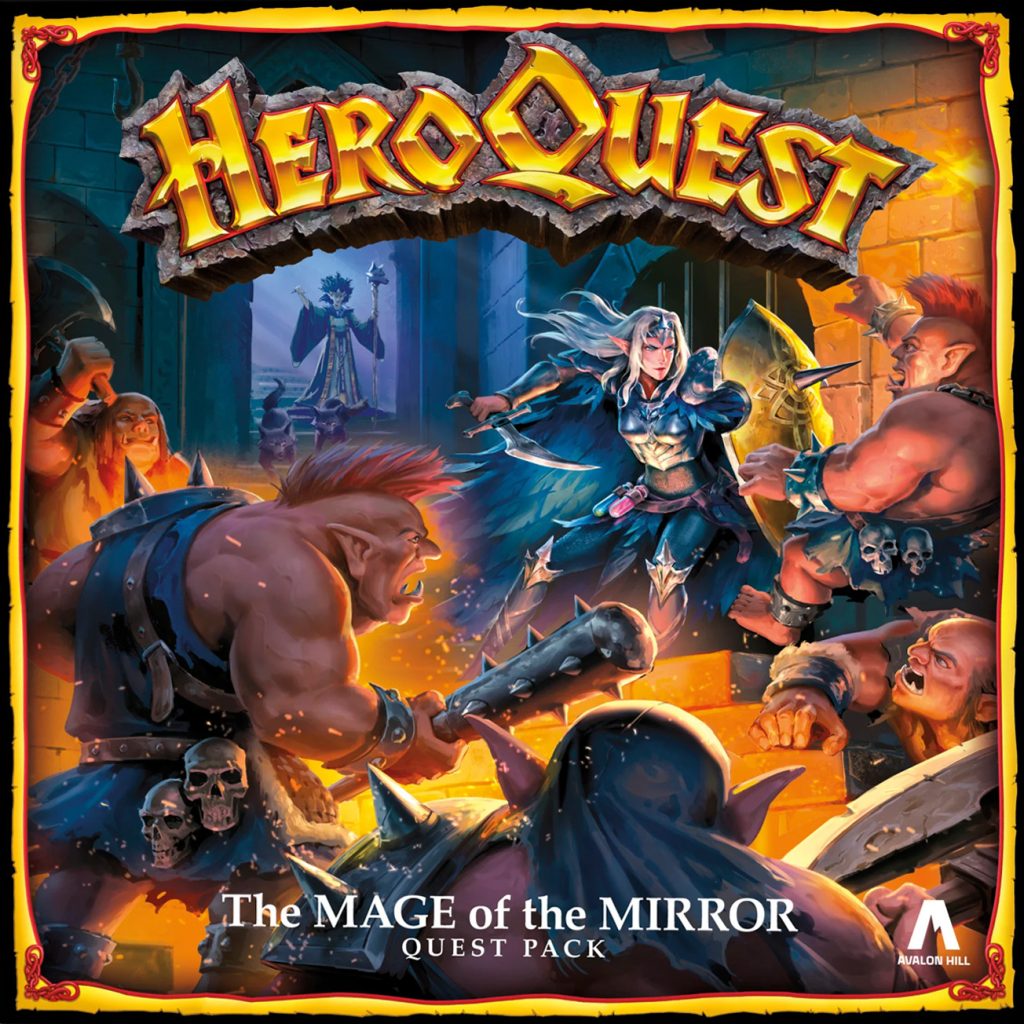
The Mage of the Mirror is the Elf’s signature campaign. Its opening solo quests place the Elf at the centre of the story, and the expansion adds the eight Elf Spells, an alternate Elf miniature, elven artifacts, new enemies, and a 10-quest rescue mission.
[ CORE CAMPAIGN ]
HeroQuest Game System
Learn elemental spell selection, balanced combat, and equipment progression through the original 14 quests.
[ ALTERNATE START ]
HeroQuest First Light
Use the Elf in the alternate Game System and its new introductory campaign.
[ SIGNATURE CAMPAIGN ]
The Mage of the Mirror
Lead three solo quests, unlock the Elf Spell system, and guide the party into the Realm of Reflection.
[ CONTINUE EXPLORING ]
Related HeroQuest Guides
Questions or Corrections?
This guide is intended as a practical starting point for the Elf. The Hero card, spell cards, Boon cards, Equipment and Artifact cards, Game System rules, current Quest Book, and Zargon’s ruling remain the sources used during play.
Send corrections, alternate spell packages, Boon combinations, or tested Elf strategies through the contact page.